SERESGENUS EPHEMERALITY Classes & Class Altars
Unlock kits with run points and pick Storm, Ember, or other paths with intent.
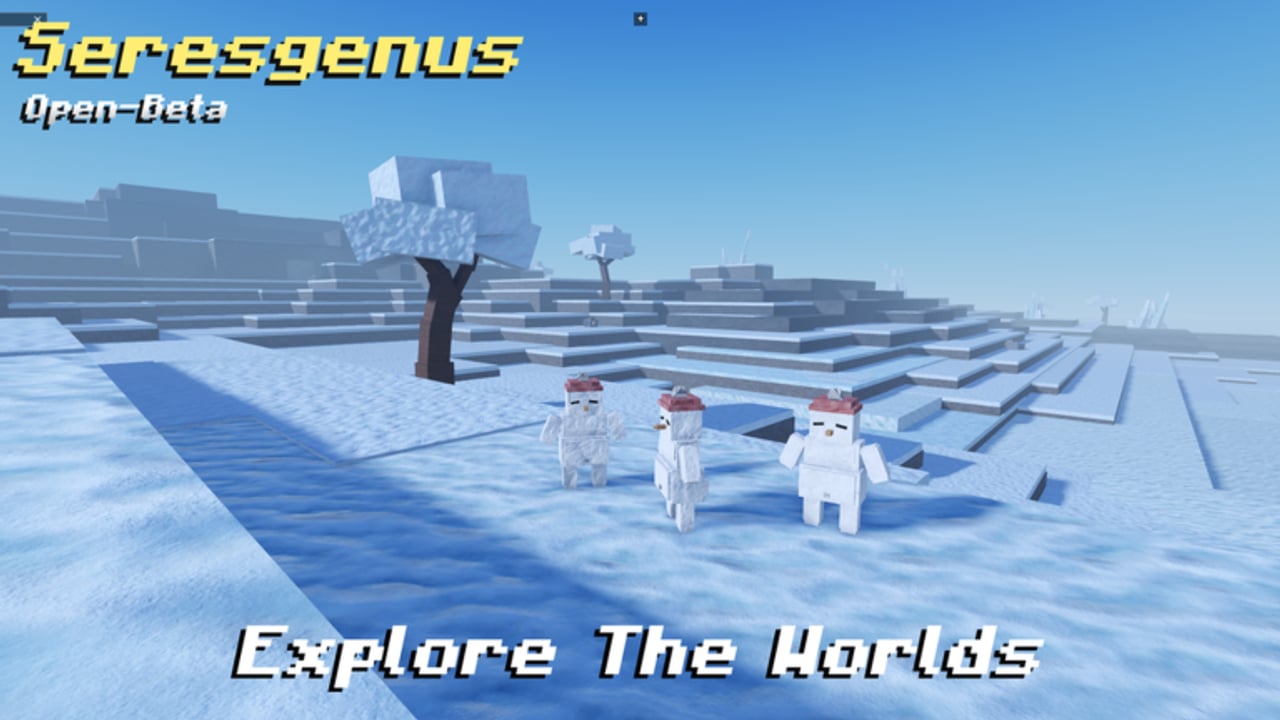
Classes define how you clear SERESGENUS EPHEMERALITY. A Scout does not solve fights like a Rift Mage, and a Monk鈥檚 low-prep loop feels nothing like a heavy armor Knight. This guide explains how to find Class Altars, how unlock points come from finishing runs, and what the currently discussed classes actually do at a high level. For live rankings, always cross-check the Class Tier List and the parent Tier List hub after patches.
Golden rules
- Class Altars exist in worlds mode only 鈥?not in quick play lobbies.
- Points come from finishing runs 鈥?abandoned wipes slow your unlock plan.
- Altars are discoverable map features, often first noticed in world 1.
- Spend points on a problem you have (boss walls, farm speed, solo sustain), not on a name that looks cool in the menu.
- Paths matter 鈥?some kits branch (players call out lines such as Storm or Ember); try the first path, then experiment.
If you are brand new to combat, read Getting Started and Controls before you dump points.
How to find the Class Altar
- Launch a worlds run (solo or co-op).
- Explore world 1 thoroughly. The altar is described by players as a random-feeling but fixed-structure location on the map鈥攚alk coasts, ridges, and landmark clusters instead of only following the nearest mob.
- In co-op, split search paths and ping when found so the whole party can unlock on the same clear.
- Remember the location for future runs; repeating world 1 becomes much faster once the altar is burned into memory.
- Do not waste time hunting altars in quick play. Multiple players confirmed they are worlds-only.
After the altar is found, open it only when you have points and a plan. Buying a kit mid-panic because Acedia just killed you is how you end up with a class you never learn.
Earning and spending class points
Earn: complete worlds runs. Treat 鈥渇inish the run鈥?as a currency objective equal to loot. Early accounts should prefer safer clears over highlight-reel deaths.
Spend: at the Class Altar on locked kits. Players report working through a sizable roster鈥攅ight or more classes tried in a single progression stretch is normal while Open-BETA expands the list.
Respec / swapping: follow whatever the live altar UI allows after a patch. Until you know costs, avoid buying every shiny unlock the moment it appears; read the fantasy, then confirm strength on the Class Tier List.
Known classes overview
Exact numbers change in Open-BETA. Use this as a role map, then verify on Builds.
Scout
Mobile opener. Good when you want to learn maps, kite trash, and survive misplays with positioning. Strong teaching class for dash-first habits.
Scavenger
Loot- and route-oriented fantasy. Pick when chest efficiency and material loops (including later voidroot routes) matter more than raw boss DPS.
Knight
Frontline melee. High clarity kit for players who like trading hits鈥攂ut melee bosses will punish lazy dashes. Pair with Void Armor before Void finals.
Packmaster
Utility / companion-leaning identity in the roster discussions. Choose when your group needs a flexible midline instead of pure glass DPS.
Monk
Frequently recommended for players who do not want to farm heavy armor and weapons. Strong 鈥渏ust kill mobs and win鈥?energy for certain clears, including lighter Void side objectives. Excellent solo quality-of-life pick.
Graveorn
Specialty kit in the early unlock board. Learn its resource loop in easy content before taking it into Acedia.
Spiritbound
Standout ranged option. Documented in Acedia clears where melee bosses get cheesed from outside swipe range. Default recommendation when a boss keeps deleting your melee runs鈥攕ee Boss Fights.
Rift Mage
Caster / ranged pressure used in final-boss style showcases. Players ask how to unlock it often: same answer as the others鈥?finish runs, spend points at a worlds altar*. Strong when you already understand arena movement.
Blade Dance
Newer melee expression with high skill expression. Try it after you can dash without thinking; poor movement wastes the kit.
Curse Katana
Another advanced melee unlock players queue after Blade Dance. Treat it as a mastery class: great when timed well, brutal when you face-tank telegraphs.
Additional classes may appear as Omelette Snake patches the Open-BETA. When the altar shows a name not listed here, unlock only after you read patch notes on Updates.
Paths: Storm, Ember, and beyond
Some classes offer multiple paths (players mention at least three on certain kits, with Storm- and Ember-style identities among the fantasy lines). Practical advice:
- Unlock the class first, then sample path one in a safe worlds segment.
- Change paths when your goal changes鈥攆arm speed versus boss burst versus co-op support.
- Do not assume the first path is weakest; sometimes it is the stable default while later paths are situational.
- Record which path you used for a successful Acedia or Void clear so you can repeat it after a wipe.
Deep path theory belongs on Builds and the Class Tier List; this page keeps the unlock logistics clean.
Suggested unlock order for new accounts
- Whatever default kit gets you through world 1 gathering and a wood sword (see Getting Started).
- A ranged or low-prep unlock (Spiritbound, Rift Mage, or Monk) before your first serious boss wall.
- A melee mastery kit (Knight, Blade Dance, Curse Katana) once void armor or strong benches exist.
- Specialty picks (Scavenger, Packmaster, Graveorn, Scout variants) when you optimize farms and co-op roles.
Always route unlocks through real worlds finishes. Quick play can test combat feel only if the game lets you trial a kit there鈥攑rogress still returns to worlds altars.
Classes versus other systems
| System | Why it matters to classes |
|---|---|
| Worlds & teleports | Altars and point-earning clears live here (Worlds Walkthrough) |
| Void armor | Lets melee classes survive fatal mistakes |
| Bosses | Dictate whether you need ranged cheese |
| Codes | May speed early mats so you can focus points on kits (Codes) |
| Scripts | Third-party tools are outside fair-play guides (Scripts) |
Co-op class composition
- One ranged chipper for melee bosses
- One flexible melee or Monk for objectives
- One scavenger / flex for chest routes when farming voidroot in worlds 4 and 6
Ping altar discoveries and agree on who spends points first if the party is sharing teaching time on a new account.
Next steps
- Find the world 1 altar on your next worlds run.
- Finish that run for points.
- Unlock a ranged or Monk-style safety kit.
- Read Boss Fights and Void Armor.
- Rank your options on the Class Tier List.
- Keep Official Links handy for the live Roblox experience.
Class strength will move during Open-BETA. Altar rules鈥?*worlds only, points from finishes**鈥攁re the stable core of SERESGENUS EPHEMERALITY progression. Master those, and every new kit Omelette Snake ships becomes another tool instead of another brick wall.
Frequently Asked Questions
Quick answers for SERESGENUS EPHEMERALITY players.
Where is the Class Altar?
In worlds mode only, usually discoverable on world 1 as a map structure. Explore landmarks; it does not appear in quick play.
How do I unlock new classes?
Finish worlds runs to earn class points, then spend them at a Class Altar. Quitting early slows unlocks.
Which class is best for beginners?
Start with whatever clears world 1 safely, then unlock a ranged kit or Monk for lower prep. Check the Class Tier List after each patch.
What are Storm and Ember paths?
Some classes branch into multiple paths, including Storm- and Ember-style lines. Unlock the class first, test path one, then switch based on bosses or farm goals.
Can I unlock Rift Mage or Curse Katana early?
Only after you have enough points from finished runs. There is no quick-play altar shortcut鈥攌eep clearing worlds.